

Staying active
Today’s independent senior communities are shifting to meet the needs of the growing aging population
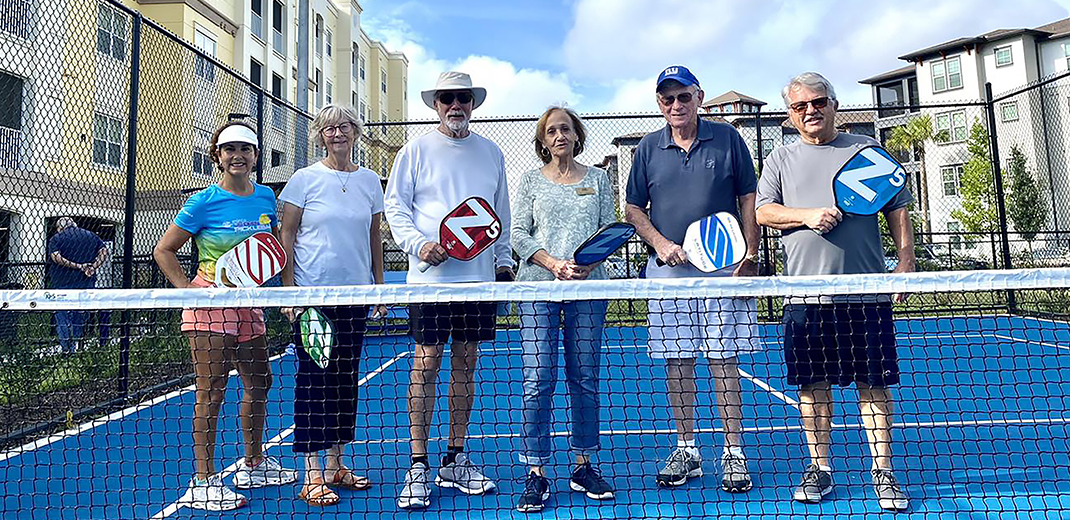
Every day in the United States, more than 10,000 people turn 65. This statistic—coupled with the fact that people are living longer—means that the number of older adults will more than double over the next several decades, topping 88 million people and comprising more than 20% of the population by 2050, according to AARP.
With these numbers, it’s no surprise that the senior living real estate sector is booming. Forecasts predict that market revenue per available foot (RevPAF) will increase to around 5.5% through 2029 as demand outpaces the supply of new units. Property managers who work in independent senior living are quickly adapting to this growth and the changing needs of today’s senior population.
Changing with the times
As the senior housing market expands, independent living and active adult communities are transforming to match the lifestyle expectations of 55-plus residents.
Today’s seniors are looking for an experience centered on community, complete with social activities, health and wellness programs, and upgraded amenities.
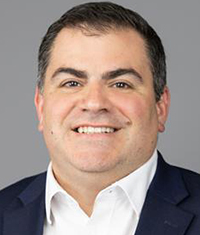
Michael DiGiacomo, CPM®
“Residents in our 55-plus communities are looking for socialization and friendship, and we’re adapting to meet their interests,” says Michael DiGiacomo, CPM®, chief operating officer, United Group in Troy, New York. “We offer pickleball, yoga, a jogging club, wine tastings, a golf simulator—all tailored to the activities our residents want most.”
To offer a well-rounded lifestyle experience, United has developed the Senior Umbrella Network (SUN®) program, which encompasses seven core concepts: fun and recreation; health and wellness; community and friendship; education and lifelong learning; finance, legal, and administrative services; convenience and economics; and safety and security.
“The SUN® program is really the heartbeat of our communities, and we design our lifestyle calendar around those core concepts,” DiGiacomo says.
Gaining significant traction in recent years, lifelong learning and continuing education offerings are highly sought after by seniors. University-based retirement communities (UBRCs) are popping up near college campuses across the country, giving residents access to college classes and cultural events. Examples include The Village at Penn State and Oak Hammock at the University of Florida in Gainesville.
“At our properties, we have healthy cooking classes, fitness classes, and second language classes,” says DiGiacomo. “While these types of programming and lifestyle options have always been important, they’ve come to the forefront in recent years.”
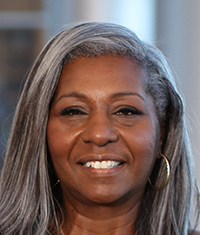
RaN’ae Bacon, CPM®, ARM®
RaN’ae Bacon, CPM®, ARM®, senior regional vice president of property management for SHP Management Corporation, works with affordable independent adult communities.
She also has noticed a shift in amenity requests from residents. “We have gyms, on-site beauty salons, and events like nonalcoholic sip-and-paints,” she says. “Our residents want the same amenities as conventional or non-senior housing—they want to be social, and we believe it’s important for their health and well-being to offer ways to engage with neighbors.”
A strong community atmosphere is especially important for seniors who live alone, whether because they’ve never been married, are widowed, or are divorced.
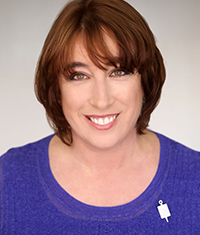
Eileen Wirth, CPM®
“There are many more single-person—mostly women—households than ever before. These people don’t have a village around them, so they experience a need for greater care and community,” says Eileen Wirth, CPM®, president and CEO of Moorestown Ecumenical Neighborhood Development, Inc. (MEND) and vice president of the IREM Foundation.
From a development standpoint, DiGiacomo says they are also reimagining their designs, adding social spaces and work-from-home areas, as many Baby Boomers who move into active adult communities continue to work.
Close to home
Many seniors still desire to age in place, and for residents of independent senior and active adult communities, this means bringing as many services as possible on site. Unlike skilled nursing or memory care facilities, independent senior living communities typically do not offer built-in services like medical care.
“We’re finding that residents increasingly prefer to have services brought to them rather than leaving the property,” Bacon says. “We have a resident services coordinator to connect them to outside services, such as help getting Medicaid or food stamps. We have also signed a contract with a nursing service that will visit one of our buildings for eight hours a week. We plan to expand this service to our other buildings.”
For services that cannot be offered on site, property managers help make it easier for residents to access those necessities. Wirth, who also works with affordable housing, says her team connects residents to transportation programs for services.
“There are programs like The Life Program in New Jersey or PACE in Pennsylvania,” explains Wirth. “If you’re Medicare eligible, you can get van services to take you to a location where your doctor is or where you can get physical therapy, occupational therapy, and other medical needs met.”
For its residents, United has a network of referral partners to call on, enabling residents to age in place within their communities. “We have partners who can handle everything from meal programs to scheduling physician visits to senior mentorship and friendship programs,” DiGiacomo says. “While we don’t offer assisted living or memory care, we have trusted partners to refer residents to.”
Management challenges
Independent living communities, whether conventional or affordable, deal with the same issues as other properties, and two of the most notable challenges today are inflation and staffing shortages.
“Inflation is causing us to get creative to make ends meet,” Wirth says. “We have to raise rents because our costs are going up, but we’re trying to find that balance of increasing costs while remaining affordable. We know people have to keep the lights and heat on.”
This creativity involves striking a balance between savings and keeping salaries competitive to retain excellent employees. Wirth says it’s essential to frequently check in and ensure salaries are competitive with other wages in the area. “We’ll also reward staff who flag areas where we could quantifiably save money,” she says. “We’ll share that savings with them.”
Bacon and DiGiacomo emphasize the importance of company culture and offering incentives beyond the standard salary and benefits packages.
“Culture is the reason employees come, stay, or even return,” DiGiacomo says. “A cornerstone for us is continuing education for employees. We have a program called United University, which assists employees in earning their associate’s, bachelor’s or master’s degrees within the United University Program. This is instrumental for internal promotions and company recognition.”
United also offers in-house, tailored programs for site-level employees, which include lessons on topics such as fair housing training. United also provides assistance for additional training, such as IREM courses and certifications—all part of their internal training program, United University. “These programs motivate employees and support longevity within the organization, because people want to stay to complete those tasks,” DiGiacomo says, adding that United also focuses on team building and giving back through retreats and service projects.
Prioritizing employee well-being and mental health is another consideration that helps with staff retention. Bacon says her company offers a company retreat with guest speakers, giving staff the chance to reconnect and recharge. “We want staff to know they are supported and we believe in them, so we are constantly investing in them,” she says.
Managing from the heart
Managing independent senior housing comes with unique responsibilities—and opportunities—that extend far beyond traditional day-to-day tasks.
“These residents are retired doctors, firefighters, teachers, nurses, lawyers, and city workers,” he says. “When these buildings are thriving, what a beautiful community you have. What an opportunity you have as a manager to learn from all these people.”
Bacon adds that successful managers in independent senior living need more than operational skills—they need empathy and flexibility. “When you manage independent senior housing, you have to be prepared to wear more than just the property management hat,” she says. “It just comes with the territory. You’re going to have people who need you for social support. You’re going to be the soother and the calmer. You have to understand you’re doing more than just collecting rent.”
DiGiacomo emphasizes that residents in active adult communities are making a deliberate decision to leave the homes they’ve lived in for 20 or 30 years to start a new chapter. “Active adult residents are a choice-based group of folks,” says DiGiacomo. “We work where the residents live, and they are investing in you. If you can get that mindset as a property manager—that this is their choice, you’re working in their home—and you really listen, you’ll learn something every day, and you’ll have a successful community.”

Similar Posts
Property spotlight
The self-storage solution
Ease of operations and consistent demand make the self-storage market...
Property spotlight
Where office meets healthcare
From infrastructure demands to regulatory compliance and tenant expectations, medical...
Property spotlight
Multifamily’s next moves
Residential property managers focus on service, smarter tech, and popular...